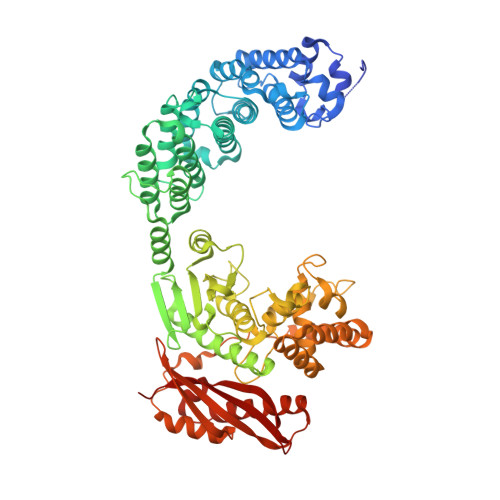
Physicochemical Properties
| CAS # | 9001-12-1 |
| Appearance | Off-white to light brown solid |
| LogP | 21.9 |
| SMILES | CCCCCCCC[C@H]1CC[C@@]2([C@@]1(CC[C@]3(C2CC[C@@]4([C@@]3(CC5=C(C4)N=C6C[C@]7([C@@](CCC8[C@@]7(CC[C@]9([C@]8(CC[C@@H]9CCCCCCCC)C)C)C)(CC6=N5)C)C)C)C)C)C)C |
| InChi Key | YRQNKMKHABXEJZ-UVQQGXFZSA-N |
| InChi Code | InChI=1S/C60H100N2/c1-13-15-17-19-21-23-25-43-27-33-55(7)49-29-31-51(3)39-45-47(41-59(51,11)57(49,9)37-35-53(43,55)5)61-46-40-52(4)32-30-50-56(8)34-28-44(26-24-22-20-18-16-14-2)54(56,6)36-38-58(50,10)60(52,12)42-48(46)62-45/h43-44,49-50H,13-42H2,1-12H3/t43-,44-,49?,50?,51-,52-,53+,54+,55-,56-,57-,58-,59-,60-/m0/s1 |
| Chemical Name | (5S,6S,9R,10S,13S,17S,23S,24S,27R,28S,31S,35S)-5,6,9,13,17,23,24,27,31,35-decamethyl-10,28-dioctyl-2,20-diazanonacyclo[19.15.0.03,19.05,17.06,14.09,13.023,35.024,32.027,31]hexatriaconta-1(21),2,19-triene |
| HS Tariff Code | 2934.99.9001 |
| Storage |
Powder-20°C 3 years 4°C 2 years In solvent -80°C 6 months -20°C 1 month |
| Shipping Condition | Room temperature (This product is stable at ambient temperature for a few days during ordinary shipping and time spent in Customs) |
Biological Activity
| Targets | Microbially derived matrix metalloproteinases (MMPs) and zinc peptidase |
| ln Vitro | Collagenase is considered important for cell migration and collagen remodeling in tissue repair and regeneration processes. Activated collagenase produces characteristic 3/4 collagen fragments |
| References |
[1]. Therapeutic applications of collagenase (metalloproteases): A review. Asian Pac J Trop Biomed, 2016, 6(11): 975-981. |
| Additional Infomation |
Non-invasive therapeutic methods have recently been used in medical sciences. Enzymes have shown high activity at very low concentrations in laboratories and pharmaceutical, enabling them to play crucial roles in different biological phenomena related to living organism, especially human medicine. Recently, using the therapeutic methods based on non-invasive approaches has been emphasized in medical society. Researchers have focused on producing medicines and tools reducing invasive procedures in medical. Collagenases are proteins which catalyze chemical processes and break the peptide bonds in collagen. Collagen may be generated more than the required amount or produced in unsuitable sites or may not degrade after a certain time. In such cases, using an injectable collagenase or its ointment can be helpful in collagen degradation. In both in vitro and in vivo tests, it has been revealed that collagenases have several therapeutic properties in wound healing, burns, nipple pain and some diseases including intervertebral disc herniation, keloid, cellulite, lipoma among others. This review describes the therapeutic application of collagenase in medical sciences and the process for its production using novel methods, paving the way for more effective and safe applications of collagenases.
[1]
Therapeutic methods based on non-invasive approaches have recently been emphasized in medical community. Researchers have focused on producing medicines and tools that reduce invasive procedures in medical practice. Enzymes have important capacity in pharmaceuticals activities due to their highly selective character and high specific at very low concentrations. True collagenases cleave helical regions of collagen molecules in fibrillar form under various physiological conditions of pH and temperature. However, it is known that gelatin and the non-helical regions of collagen molecules could be degraded by numerous mammalian proteases, including pepsin, trypsin, chymotrypsin, papain, and other tissue enzymes. The study of collagenases started at the end of last century, followed by the isolation of an extracellular enzyme, namely Clostridium and then by identification and characterization of a number of other collagenases of both bacterial and mammalian origin. Until recently, the production of true collagenases by bacteria has been considered to be confined to only a few species, such as clostridia and a small number of other organisms, notably a strain of Vibrio alginolyticus (formerly Achromobacter iophagus). Unlike animal collagenases enzyme that split collagen in its native triple-helical structure, collagenases from bacteria differ from those of vertebrates, which demonstrate broader substrate specificity. Regarding its recently proposed application, collagenase enzyme appears to be a convenient and a cheap medication for the treatment of burns, wound healing, and some other diseases in near future. However, it seems to be produced and used as a drug in clinics due to gaps in data and needs for further research. In the current review, all available and relevant published papers pertaining to therapeutic application of collagenase in human diseases were used. Human diseases and collagenases have been the center of this review, while role of collagenases in the treatment of more specific diseases that excessive collagen deposition is the main problem were emphasized. Furthermore, collagenases can be applied in the isolation of liver parenchymal as well as fat and adrenal intact animal cells and in cell culture after their separation. To sum up, this review describes the therapeutic application of collagenase in medical sciences and the process for its production using novel methods, which paves a way for more effective and safe applications of collagenases. There are some hope that future investigations can develop methods and processes to produce collagenase with new origins such as Lucilia sericata, which is non-pathogenic and very important to wound healing. [1] |
Solubility Data
| Solubility (In Vitro) | H2O : ~50 mg/mL |
| Solubility (In Vivo) |
Note: Listed below are some common formulations that may be used to formulate products with low water solubility (e.g. < 1 mg/mL), you may test these formulations using a minute amount of products to avoid loss of samples. Injection Formulations (e.g. IP/IV/IM/SC) Injection Formulation 1: DMSO : Tween 80: Saline = 10 : 5 : 85 (i.e. 100 μL DMSO stock solution → 50 μL Tween 80 → 850 μL Saline) *Preparation of saline: Dissolve 0.9 g of sodium chloride in 100 mL ddH ₂ O to obtain a clear solution. Injection Formulation 2: DMSO : PEG300 :Tween 80 : Saline = 10 : 40 : 5 : 45 (i.e. 100 μL DMSO → 400 μLPEG300 → 50 μL Tween 80 → 450 μL Saline) Injection Formulation 3: DMSO : Corn oil = 10 : 90 (i.e. 100 μL DMSO → 900 μL Corn oil) Example: Take the Injection Formulation 3 (DMSO : Corn oil = 10 : 90) as an example, if 1 mL of 2.5 mg/mL working solution is to be prepared, you can take 100 μL 25 mg/mL DMSO stock solution and add to 900 μL corn oil, mix well to obtain a clear or suspension solution (2.5 mg/mL, ready for use in animals). Injection Formulation 4: DMSO : 20% SBE-β-CD in saline = 10 : 90 [i.e. 100 μL DMSO → 900 μL (20% SBE-β-CD in saline)] *Preparation of 20% SBE-β-CD in Saline (4°C,1 week): Dissolve 2 g SBE-β-CD in 10 mL saline to obtain a clear solution. Injection Formulation 5: 2-Hydroxypropyl-β-cyclodextrin : Saline = 50 : 50 (i.e. 500 μL 2-Hydroxypropyl-β-cyclodextrin → 500 μL Saline) Injection Formulation 6: DMSO : PEG300 : castor oil : Saline = 5 : 10 : 20 : 65 (i.e. 50 μL DMSO → 100 μLPEG300 → 200 μL castor oil → 650 μL Saline) Injection Formulation 7: Ethanol : Cremophor : Saline = 10: 10 : 80 (i.e. 100 μL Ethanol → 100 μL Cremophor → 800 μL Saline) Injection Formulation 8: Dissolve in Cremophor/Ethanol (50 : 50), then diluted by Saline Injection Formulation 9: EtOH : Corn oil = 10 : 90 (i.e. 100 μL EtOH → 900 μL Corn oil) Injection Formulation 10: EtOH : PEG300:Tween 80 : Saline = 10 : 40 : 5 : 45 (i.e. 100 μL EtOH → 400 μLPEG300 → 50 μL Tween 80 → 450 μL Saline) Oral Formulations Oral Formulation 1: Suspend in 0.5% CMC Na (carboxymethylcellulose sodium) Oral Formulation 2: Suspend in 0.5% Carboxymethyl cellulose Example: Take the Oral Formulation 1 (Suspend in 0.5% CMC Na) as an example, if 100 mL of 2.5 mg/mL working solution is to be prepared, you can first prepare 0.5% CMC Na solution by measuring 0.5 g CMC Na and dissolve it in 100 mL ddH2O to obtain a clear solution; then add 250 mg of the product to 100 mL 0.5% CMC Na solution, to make the suspension solution (2.5 mg/mL, ready for use in animals). Oral Formulation 3: Dissolved in PEG400 Oral Formulation 4: Suspend in 0.2% Carboxymethyl cellulose Oral Formulation 5: Dissolve in 0.25% Tween 80 and 0.5% Carboxymethyl cellulose Oral Formulation 6: Mixing with food powders Note: Please be aware that the above formulations are for reference only. InvivoChem strongly recommends customers to read literature methods/protocols carefully before determining which formulation you should use for in vivo studies, as different compounds have different solubility properties and have to be formulated differently. (Please use freshly prepared in vivo formulations for optimal results.) |